
Written By: Angela Zoerb
Congrats!
Congratulations on your new cannabis baby! Whether you are getting a jump on your garden or gathering new strains, these genetics will be a solid addition to your
garden. Here are a few tips on how to keep your new baby happy and healthy while they grow!
Nursery
Nursery stock is kept in a low light and humid environment. Let your baby acclimate to your growing environment for a couple days after you bring it home. Water only if the pot is lightweight and the first inch of soil is dry. Inspect your plant for anything out of place such as wounds, root strength and pests. Treat as needed with your choice of products. Let us know if you have questions
or want to know what we use.
Vegetative Growth
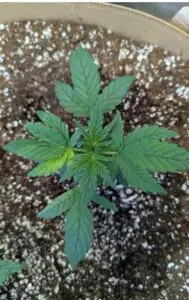
When your plant is ready to leave the nursery stage, it will have bold green growth
and a group of little leaves ready to explode out the top. When lifted gently from the pot, you will see vigorous root growth. This is a good time to read your instructions on your nutrient line of choice and begin feeding for seedling or clone.
Optimal Conditions for Seedlings and Clones
Keeping your clones and seedlings healthy in the first few days will require a higher
humidity setting than your garden wants. This is what makes the acclimation process so important. Allowing your baby to adjust to the humidity of your garden before adding it is crucial. If your baby dries out, it could harm your plant! Harden off any babies meant for an outdoor garden by placing them in the shade during the day and bring them in at night for at least 4 days. High grow room humidity for nursery stock is 75-85% Gradually reduce the humidity to 45-55%. For optimal vegetative growth.
Indoor Gardens
Adding your new nursery stock to your garden is easy indoors. First prepare the
selected spot for your new plant. Be sure to look at the strain information so you know how big your plant will be. You may add your plant when you are ready! Be sure to follow the OCM rules for personal gardens. Eight plants total, four in bloom and four in nursery/vegetative. Lock your garden away from unknown visitors as well as people and pets we need to protect.
Outdoor Gardens
When adding to your outdoor garden, please remember to review the zoning rules for keeping an outdoor cannabis garden. In Minnesota, plants must be grown in an “enclosed, locked space”. If growing in your yard, this means using a locked greenhouse, a locked cold frame, or another secure structure, rather than just growing openly in a garden bed. A lock on your yard gate is also recommended. Not
Open to Public View
The plants cannot be visible from public spaces, such as sidewalks, streets, or alleys.
Primary Residence
The cultivation must occur at your primary residence.
Restrictions
Renters may need permission from their landlords, as building managers can restrict growing in apartments or on balconies. Expect your outdoor plants to be quite large and meet their maximum size for the strain as long as optimum growing conditions are met. Keep in mind when selecting a site in your yard that your plant will appreciate a personal bubble and will be healthier and more productive if it’s not crowded. Good air circulation can keep many issues at bay.
Pollinator Problems
While we love our pollinator friends, they can bring unwanted tagalong issues. The possibility of pollination by a wild cannabis plant is very high. Bugs can also bring more bugs or fungus. Bud rot is a common outdoor issue. There are lots of ways to combat these and we are here to help when trouble arises!
Trimming, Fimming and Topping
You may need to trim, fim or top your plants to fit your space. To trim, select which bud sites you want to encourage growth on and remove any bud sites you do not wish to have. This helps to focus the growth to the most productive parts of the plant. Bud sites are often removed from the bottom where there is very little light. To fim your plant, gently bend (don’t break!) the tall stalk to lay over in an area that doesn’t have much growth. The sprouts on the top stalk will adjust themselves to reach for the light. If it comes to needing to top your plants, you will need to select the tallest point and begin to remove the stalk to reduce height. Growing cannabis autoflowers or phenotypes at home is easy and rewarding.
Once again, don’t forget to review the OCM requirements for home cultivation. We are always here for any questions you might have and for further in-depth information, visit our blogs at Cannajoymn.com.
Happy Growing!
-Angela Zoerb